Ocean monitoring network points to gaps in polar and deep waters
The 2026 Global Ocean Observing System report counts 67 countries contributing measurements at sea.
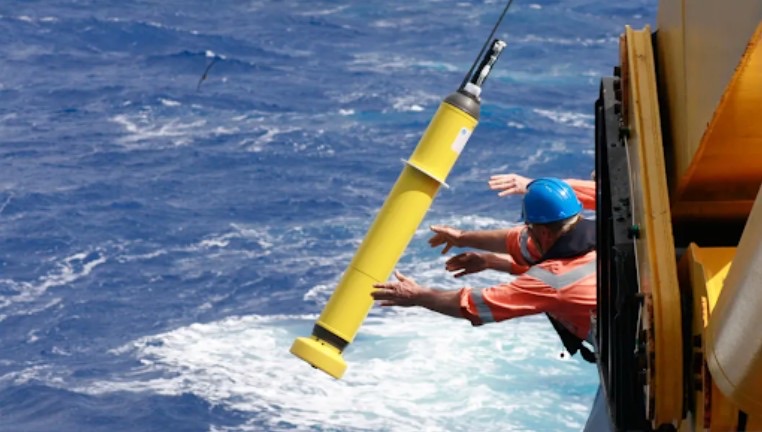

Sixty-seven countries contribute physical and biogeochemical measurements to 17 ocean observing networks monitored by OceanOPS, according to the Global Ocean Observing System’s November 5 report. Satellites add measurements from space, while other programmes track marine life and ecosystems.
The observations help forecasters understand how the ocean influences the weather and give coastal authorities information for assessing risk. Measurements taken repeatedly over time also help researchers distinguish short-lived changes from longer trends.
The report identifies gaps in the Southern Ocean, polar seas, deep waters and many coastal areas. It says much of the sustained work is concentrated among the G7 countries and Australia. For countries with less capacity to run their own networks, wider participation and better data sharing could help make observations more useful for local decisions.